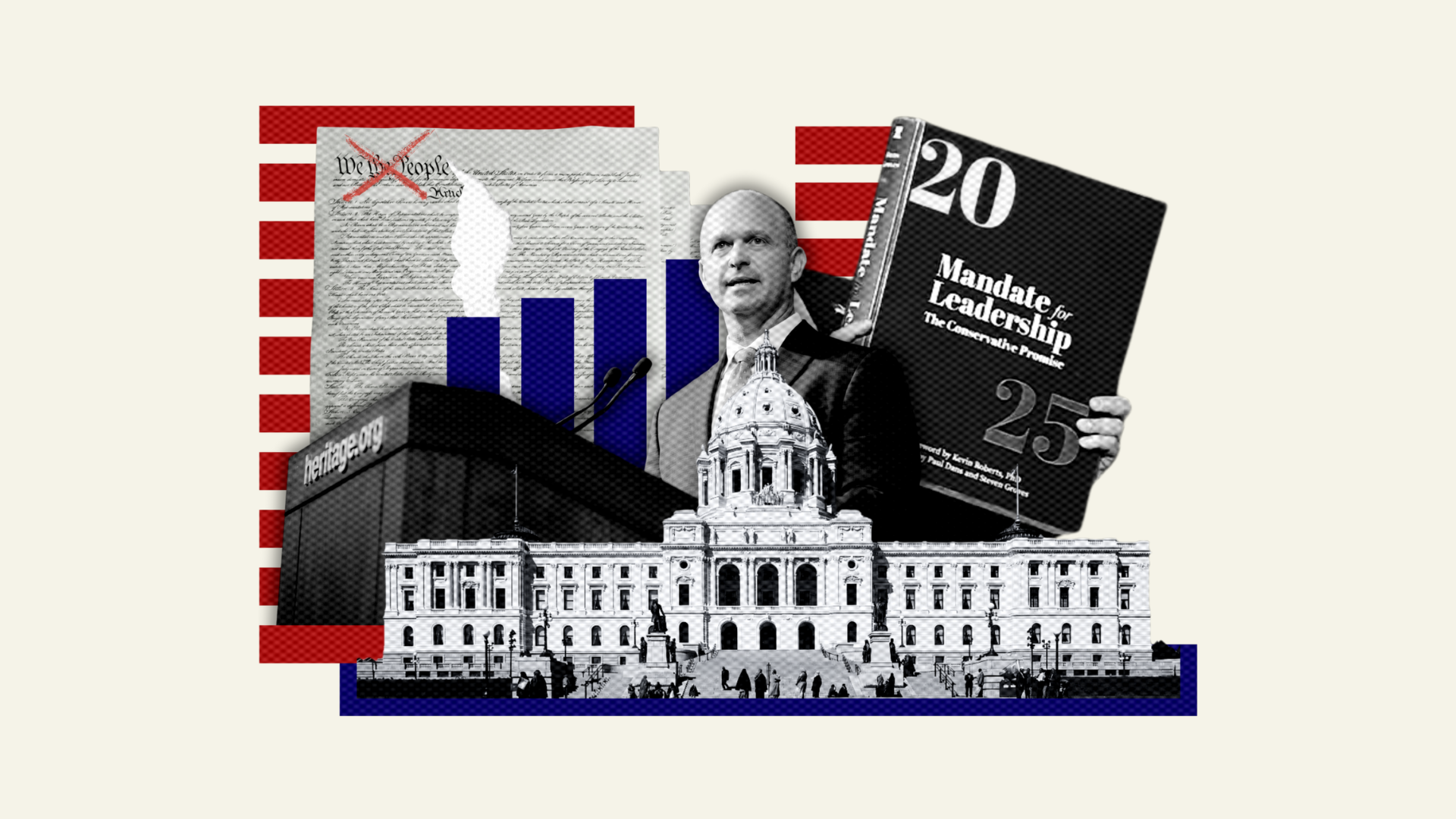
Article V was originally designed as a safeguard against concentrated federal power—a mechanism allowing states to propose constitutional amendments when Congress would not act. But the modern push for an Article V Convention exploits the provision’s deep ambiguities. Because the Constitution provides no rules for how a convention would operate, who would serve as delegates, or how its scope would be enforced, the process is vulnerable to manipulation.
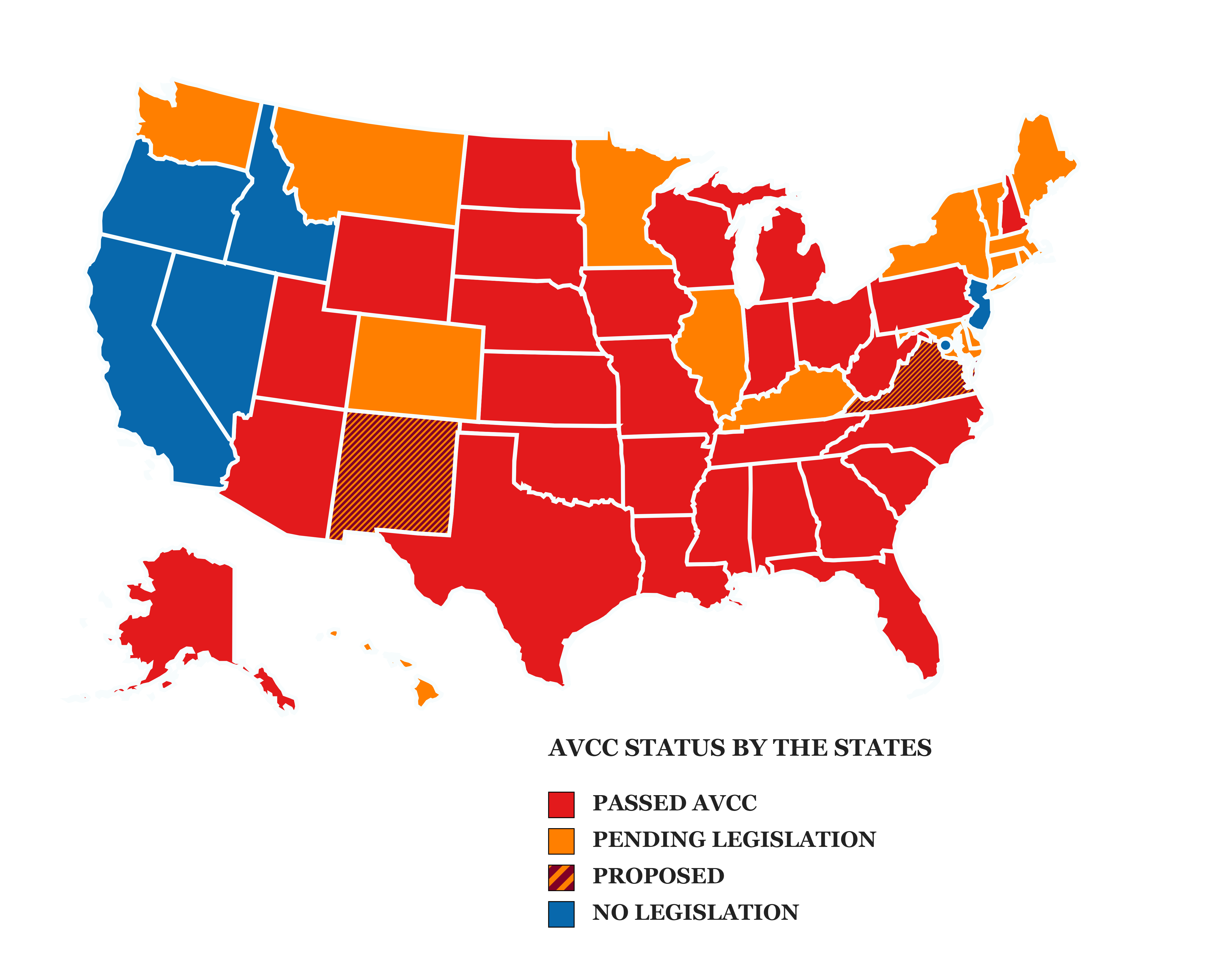
Our research shows that these ambiguities could enable the very power concentration Article V was meant to prevent. Today, well‑funded networks are driving coordinated lobbying campaigns across state legislatures to trigger a convention. Their efforts are closer to success than at any point in modern history, fueled by dark‑money funding, aggressive advocacy, and astroturfed grassroots operations.
If convened, an Article V Convention could open the entire Constitution to revision. Based on current proposals circulating in statehouses, a convention could be used to:
One year ago, we published The Unknown Threat to American Democracy, a comprehensive report examining the risks posed by an Article V Constitutional Convention. Building on prior nonprofit and government research, our report analyzes the provision’s original intent, its historical influence on congressional action, its structural vulnerabilities, and the coordinated campaigns attempting to trigger it today.
We continue to work with partners across the country to educate communities, monitor statehouse activity, and strengthen civic infrastructure capable of responding to convention‑related legislation. Our goal is to ensure that the public understands what is at stake and has access to clear, research‑based information about the risks posed by an uncontrolled constitutional rewrite.
The full version of the report is available here.
We’re grassroots so consider donating to support our work! Donations made to Task Force USA are not tax deductible. If you’d like to make a tax-deductible donation, give to the Task Force Organization here.
This website (taskforceusa.org) is shared by our 501(c)(3) , the Task Force for Democracy, and our 501(c)(4), Task Force USA. Learn the difference between these two wings here.

COPYRIGHT ©2024, Task Force for Democracy & Task Force USA. All Rights Reserved.